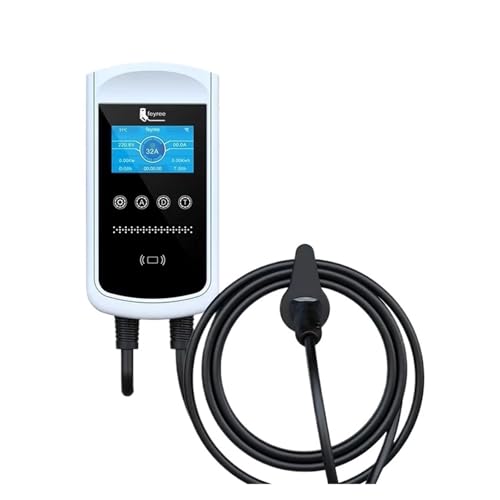
Choosing the Right Echarger for Your Office Needs
As we navigate through 2026, the importance of efficient and effective charging solutions in the office has never been clearer. With the rapid advancement of technology, businesses are increasingly reliant on electronic devices that require reliable power sources. Selecting the right echarger can significantly influence productivity, employee satisfaction, and overall operational efficiency. This article provides a comprehensive overview of how to choose the ideal echarger for your office environment, catering to the unique needs of modern workplaces.
Understanding Echarger Types
In 2026, the market offers a variety of echarger types, each designed to meet specific charging requirements. Understanding these types is crucial for making an informed decision.
One of the most common types is the standard wall charger, which is ideal for stationary devices such as laptops and desktop computers. These chargers typically offer higher wattage, enabling fast charging capabilities. With the increasing use of portable devices, such as tablets and smartphones, multi-port chargers have gained popularity. These chargers allow multiple devices to charge simultaneously, which is perfect for collaborative workspaces where employees share resources.
Wireless chargers have also become a staple in modern offices. They provide convenience and reduce cable clutter, which can be a significant advantage in maintaining an organized workspace. However, it is essential to ensure that your devices are compatible with wireless charging technology.
Consider Charging Speed
Charging speed is another fundamental factor to consider when choosing an echarger in 2026. Fast charging capabilities can significantly enhance productivity by minimizing downtime while employees wait for their devices to power up. Many modern echargers now support USB Power Delivery technology, which allows for rapid charging of compatible devices.
People Also Look For:
- Lyai Electronics Organiser Travel Cable Bag,Black Waterproof Tech Bag with Multiple Compartments for Cables, Chargers, USB Drives ...
- FastAmps EV Charger, Alpha 7, Electric Vehicle Charger, 7.4kw Home Charger, Type 2, Wall Mounted, non-Tethered, White, Made in the...
- 10 In 1 Charger Cable USB Universal Multifunctional Phone Multi Charging Cables for Many Adapters Compatible with Samsung LG Huawe...
- MENEEA Upgraded RGB Cooling Fan Charging Station for Xbox Series X Console & Controller, Wireless Dual Charger Dock Cooler System ...
- Molain 12Pcs PU Leather Cord Organizer, Reusable Cable Straps Cable Ties Phone Cord Keepers Multipurpose Cord Holder for Charging ...
For instance, a standard laptop charger might take several hours to fully charge a device, whereas a fast charger can accomplish this in under an hour. This efficiency is especially beneficial in office environments where time is of the essence. Businesses should assess their charging needs based on how often devices are used and how quickly they need to be charged.
Evaluating Compatibility and Safety Features
Compatibility is a critical consideration when selecting an echarger for your office. In 2026, most electronic devices come with specific charging requirements, and using the wrong charger can lead to inefficiencies or even damage. It is essential to ensure that the echarger you choose is compatible with the devices used within your office.
Additionally, safety features should never be overlooked. Look for echargers equipped with protection against overcharging, overheating, and short-circuiting. These features not only safeguard your devices but also contribute to overall workplace safety. In a scenario where multiple devices are charging simultaneously, a charger with robust safety features can prevent potential hazards.
Assessing Design and Portability
The design and portability of an echarger can play a significant role in its usability within an office setting. In 2026, sleek and compact designs are favored for their aesthetic appeal and functionality. Echargers with a modern design not only complement the office decor but also enhance user experience.
Portability is another essential aspect, especially for businesses that encourage remote work or travel. Lightweight and compact chargers are easier to transport, making them ideal for employees who frequently move between meetings or work from different locations. For example, a portable charger that can easily fit in a laptop bag can allow employees to charge their devices during commutes or while attending off-site meetings.
Budget Considerations
Budget constraints are a reality for many businesses in 2026, making it crucial to find an echarger that balances quality and cost. While it may be tempting to opt for the cheapest option available, investing in a reliable and efficient charger can lead to long-term savings. A high-quality echarger may come with a higher upfront cost but can save money in the long run by reducing downtime and minimizing the need for replacements.
When evaluating budget options, consider the total cost of ownership, which includes factors such as energy efficiency, durability, and warranty. Some manufacturers offer extended warranties or service agreements, which can provide additional peace of mind and financial protection.
Future Proofing Your Choice
As technology continues to evolve, ensuring that your echarger choice is future-proof is essential. In 2026, consider selecting devices that are adaptable to emerging technologies. Chargers that support multiple charging standards or have the capability to upgrade can save businesses from having to replace equipment frequently.
For example, an echarger that supports both traditional USB connections and newer USB-C standards can accommodate a wider range of devices, making it a versatile choice for a dynamic office environment. Investing in future-proof equipment can enhance flexibility and reduce long-term costs associated with upgrading technology.
Conclusion
In 2026, choosing the right echarger for your office needs involves understanding various factors, including types, charging speed, compatibility, safety features, design, budget considerations, and future-proofing. By carefully evaluating these aspects, businesses can select echargers that enhance productivity and efficiency in the workplace. The right choice will not only facilitate smooth operations but also support employee satisfaction and engagement.