Unlocking Power of Echargers in Your Home
As we move further into 2026, the importance of electric vehicle charging solutions in our homes becomes increasingly pronounced. With the rise in electric vehicle ownership, understanding how to effectively utilize and integrate Echargers into your residential setup is essential. This not only facilitates convenience but also contributes to environmental sustainability. This article delves into the multifaceted advantages of installing Echargers, practical installation tips, and the future of home electric vehicle charging.
Understanding Echargers
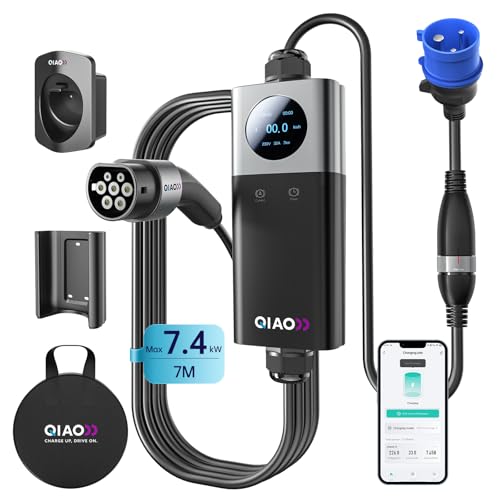
Echargers are devices that facilitate the charging of electric vehicles at home. In 2026, the technology behind these chargers has evolved significantly, offering faster charging times and increased efficiency. Homeowners are now able to charge their vehicles overnight, ensuring that they start each day with a full battery. The integration of smart technology into Echargers allows users to monitor charging sessions remotely, schedule charging times, and even optimize energy use based on electricity rates.
Types of Echargers
There are primarily three types of Echargers available for home use in 2026. Level 1 chargers utilize a standard household outlet and are typically slower, making them suitable for overnight charging. Level 2 chargers are more advanced, providing faster charging capabilities and often requiring a dedicated circuit. Lastly, DC fast chargers are the fastest option, but they are generally not installed in residential settings due to their cost and infrastructure requirements.
- Level 1 Chargers
- Level 2 Chargers
- DC Fast Chargers
Benefits of Installing Echargers at Home
Installing an Echarger at home offers numerous benefits. First and foremost, it provides convenience. Homeowners can charge their electric vehicles overnight, eliminating the need for frequent trips to public charging stations. Additionally, having a dedicated charger at home can be more cost-effective in the long run. In 2026, many utility companies offer reduced rates for charging during off-peak hours, allowing homeowners to save significantly on electricity costs.
Moreover, the environmental impact of using Echargers cannot be overstated. By powering electric vehicles at home, individuals can rely more on renewable energy sources, especially if solar panels are installed. This not only reduces reliance on fossil fuels but also contributes to reducing overall carbon footprints.
People Also Look For:
- 1 x Black Compact USB Car Charger Adapter for all Mobile Phones iPhone, iPod, Samsung, HTC, Blackberry, MP3 Players, Digital Camer...
- BAGSMART Electronics Accessories Organiser Bag, Portable Electronics Carrying Case Travel Small for Cables, Powerbank, Earphone, U...
- Chair Phone Charger, Wireless Fast Charger Chair, Portable Mini Chairs Wireless Chargers, Fast Charging Station, Phone Stand Holde...
- KDD Headphone Stand - Rotatable Controller Holder with Wireless Charging & 9 Light Modes, Gaming Headset Stand with 2 USB and Type...
- HASACOOL Controller Battery Pack for Xbox One, Controller Charger with 4x2550mAh(=4x6120mWh) Rechargeable Batteries for Xbox Serie...
Financial Incentives and Rebates
As part of the push towards sustainable energy solutions, many governments are offering financial incentives for homeowners who install Echargers. In 2026, rebates and tax credits are widely available, making it more affordable for families to transition to electric vehicles. Homeowners can often recoup a significant portion of their installation costs through these programs, making the switch to electric driving even more appealing.
- Check local government programs
- Research utility company incentives
- Consult with installation professionals
Installation Considerations
When considering installing an Echarger at home in 2026, there are several key factors to take into account. First, the location of the charger is critical. Ideally, it should be situated close to where the vehicle is parked to minimize cable length and ensure safety. Additionally, homeowners must assess their electrical system to determine if upgrades are necessary to accommodate the new charger.
Choosing the Right Professional
Selecting the right installation professional is crucial for a successful Echarger setup. Homeowners should look for certified electricians who have experience with electric vehicle charging systems. This ensures that the installation is performed safely and meets local building codes. In 2026, many electricians specialize in EV charger installations, providing expertise and guidance throughout the process.
Furthermore, it is advisable to seek out professionals who offer warranties on their work. This not only provides peace of mind but also ensures that any potential issues can be addressed promptly without incurring additional costs.
Future Trends in Home Charging Solutions
The landscape of home charging solutions is constantly evolving. In 2026, we expect to see the integration of more smart technologies within Echargers. Features such as app connectivity, real-time energy consumption tracking, and automated charging schedules are becoming standard. These advancements will further enhance the user experience and make home charging even more efficient.
Moreover, as battery technology continues to improve, future Echargers may offer even faster charging capabilities, making them more competitive with traditional fueling methods. Homeowners can anticipate a future where charging times are significantly reduced, further encouraging the adoption of electric vehicles.
In 2026, it is also anticipated that the role of renewable energy in home charging will expand. Many households will increasingly turn to solar power to charge their vehicles, creating a sustainable cycle that benefits both the environment and the homeowner's wallet.
As we look ahead, the potential for energy storage solutions integrated with Echargers presents exciting opportunities. Homeowners could store energy generated from solar panels and use it for vehicle charging, maximizing efficiency and reducing reliance on the grid.
This 2026 is shaping up to be a pivotal year for the electric vehicle landscape, particularly regarding home charging solutions. As technology advances and more homeowners recognize the benefits of Echargers, the transition to electric vehicles will continue to gain momentum.