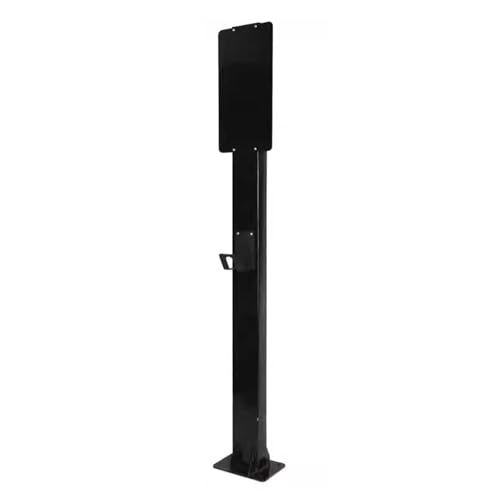
The Definitive Guide to Smart Echargers for 2026 and Beyond
As the world rapidly moves towards an electrified future, the evolution of smart echargers has become paramount. By 2026, we anticipate that these innovative devices will not only charge electric vehicles but will also play a crucial role in energy management and sustainability. This guide aims to navigate you through the essential features, benefits, and future trends in smart echarging technology.
Understanding Smart Echargers
Smart echargers represent a significant advancement over traditional charging stations. They incorporate advanced communication technologies, enabling them to interact with both the electric vehicle and the grid. This interaction facilitates a two-way flow of information, allowing for optimised charging schedules based on real-time energy prices and the availability of renewable energy sources.
In 2026, we expect smart echargers to become even more sophisticated. Features such as load balancing, where the charger adjusts its output to prevent grid overload, and vehicle to grid technology, which allows electric vehicles to return energy to the grid, will be commonplace. These functionalities are essential for creating a sustainable ecosystem that maximises the use of renewable energy.
Key Features of Smart Echargers
Smart echargers boast a range of features designed to enhance user experience and promote efficient energy use. Some key features to look for in 2026 include:
People Also Look For:
- Gupcaqosjw Automatic Cord Winder - Retractable Cable Management - Small Winder Case Horizontal Storage for Home Travel Car Phone R...
- Magnetic Wireless Power Bank, 26800mAh Portable Charger, USB C in & Out Phone Battery Pack for iPhone 17/16/15/4/13/12 Series and ...
- Chfeila Cable Tidy Clips, 6 Pack [360°Rotating & Twist-Lock] Magnetic Cable Management, Self Adhesive Phone Charger Wire Organi...
- IOUQ Electronic Cigarette Charger Cable 510 USB Charger for GS and Ego (2 Pack)
- 1 x Black Compact USB Car Charger Adapter for all Mobile Phones iPhone, iPod, Samsung, HTC, Blackberry, MP3 Players, Digital Camer...
- Integration with Smart Home Systems: Many smart echargers will seamlessly integrate with existing smart home ecosystems. This allows users to control their charging schedules remotely through mobile apps or voice commands, providing convenience and flexibility.
- Dynamic Pricing and Energy Management: Smart echargers will be capable of analysing energy prices in real time, allowing users to charge their vehicles during off-peak hours when electricity is cheaper. This feature not only saves money but also reduces strain on the grid during peak demand times.
- Enhanced Safety Features: With advancements in technology, we can expect smarter safety protocols in echargers. These may include automatic shut-off features, real-time monitoring of charging status, and alerts for potential issues or malfunctions.
Environmental Impact and Sustainability
The role of smart echargers in promoting sustainability cannot be overstated. By 2026, these devices will be integral in driving the transition towards a greener transportation system. By optimising charging times, smart echargers will help reduce reliance on fossil fuels and promote the use of renewable energy sources such as solar and wind.
Moreover, the ability of electric vehicles to return energy to the grid during peak times can significantly contribute to stabilising energy supply and reducing carbon emissions. This functionality will promote a circular energy economy where electric vehicles not only consume energy but also support the grid, thus enhancing overall efficiency.
Market Trends and Innovations
As we approach 2026, several market trends are emerging in the smart echarging sector. One significant trend is the rise of public-private partnerships aimed at expanding charging infrastructure. Governments and private companies are collaborating to deploy charging stations in urban areas, along highways, and in remote locations to ensure that charging is accessible to all.
Another notable innovation is the development of ultra-fast charging stations. These stations can charge an electric vehicle to 80 percent in under 30 minutes, making long-distance travel more feasible for electric vehicle owners. As battery technology continues to advance, we expect to see increased demand for ultra-fast charging solutions.
Furthermore, advancements in artificial intelligence and machine learning will play a pivotal role in the evolution of smart echargers. These technologies will enable chargers to learn user habits and preferences, thereby optimising charging schedules and enhancing energy efficiency.
Challenges and Considerations
Despite the promising future of smart echargers, several challenges remain. The initial cost of installation and the need for widespread infrastructure development are significant hurdles. Moreover, ensuring data security and privacy in connected devices is crucial to gain consumer trust and encourage widespread adoption.
As the industry progresses towards 2026, addressing these challenges will be essential for the successful integration of smart echargers into everyday life. Stakeholders must collaborate to create standards and regulations that foster innovation while ensuring consumer protection.