Top Features When Choosing an Echarger in 2026
As electric vehicles continue to gain popularity, the demand for efficient and reliable Echargers has surged. In 2026, consumers are faced with a multitude of options, making it crucial to understand the essential features to consider when selecting the best Echarger for individual needs. This article delves into the critical aspects that should guide your purchasing decision, ensuring that you choose an Echarger that not only meets your current requirements but also adapts to future developments in electric vehicle technology.
Charging Speed and Power Output
One of the foremost considerations when choosing an Echarger is its charging speed. This is primarily determined by the power output measured in kilowatts. In 2026, Echargers are available in various power ratings, with options ranging from Level 1 chargers that provide around 1.4 kW to Level 3 or DC fast chargers that can deliver up to 350 kW.
For example, if you own a vehicle with a large battery capacity, opting for a high-power Echarger can significantly reduce charging time. A Level 3 charger can recharge a vehicle's battery to 80 percent in as little as 20 to 30 minutes, which is especially beneficial for those who frequently travel long distances. Conversely, a Level 1 charger may take several hours, making it suitable primarily for home charging.
Efficiency and Energy Management
Efficiency is another pivotal characteristic of Echargers. An efficient Echarger minimizes energy loss during the charging process, ensuring that most of the electricity is used to charge the vehicle rather than being wasted as heat. In 2026, many Echargers come equipped with smart technology that optimizes energy consumption based on grid demand and pricing.
For instance, some Echargers can be programmed to charge during off-peak hours when electricity rates are lower. This not only saves money but also supports a more sustainable energy grid. Consumers should look for Echargers that offer energy management features, such as load balancing, which distributes power efficiently among multiple devices.
People Also Look For:
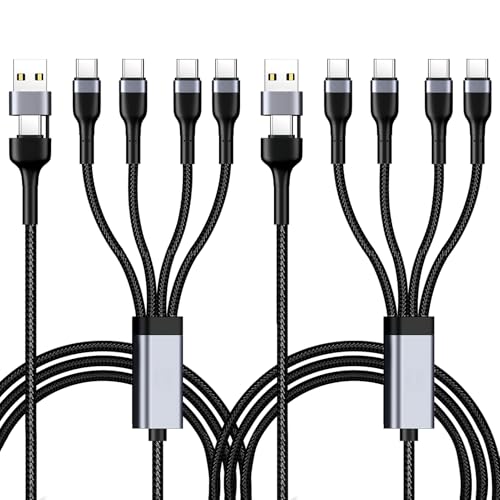
- 2 Pack Long Multi Charger Cable with Type-c, 65W 4 in 1 Charger Cable, 4 in 1 Fast Charging to USB-C for Phone/Pad/More, Data Tran...
- Voltset 20W Solar Car Battery Charger, 12V ETFE Portable Waterproof Solar Power Trickle Battery Charger & Maintainer for Car, Boat...
- HEYLICOOL PS5 Stand Accessories for PlayStation 5 Slim Disc/Slim Digital/Disc/Digital with 3 Level Cooling Fan & RGB Light, PS5 Ve...
- Hiluckey Power Bank Solar Charger - 27000mAh with Built-in 3 Cables Five Outputs 15W Fast Charging External Battery Pack for All M...
- Diswoe Controller for PS-3, Pack of 2 Wireless Controller for PS-3 with Dual Shock, Gyro Axis, Bluetooth Controller, Rechargable R...
Compatibility and Connectivity
When selecting an Echarger, compatibility with your electric vehicle is paramount. In 2026, the electric vehicle market has diversified, leading to various charging standards. Understanding whether your Echarger supports the charging connector used by your vehicle is essential.
Moreover, connectivity features such as Wi-Fi and Bluetooth can enhance the user experience. These features allow users to monitor charging sessions remotely, receive notifications about charging status, and even schedule charging times through a mobile app. This level of connectivity is becoming increasingly common in Echargers, making it a vital consideration.
Safety Features
Safety is an integral aspect of any electrical device, and Echargers are no exception. In 2026, consumers should prioritize Echargers that adhere to stringent safety standards. Look for features such as overcurrent protection, short circuit protection, and ground fault protection. These features safeguard both the vehicle and the charging infrastructure, ensuring safe operation.
Additionally, many Echargers now include features such as automatic shut-off, which halts the charging process once the battery is fully charged. This not only prevents battery overcharging but also enhances the longevity of the vehicle's battery. Ensuring that an Echarger has robust safety certifications can provide peace of mind for users.
Installation and Portability
Installation requirements can vary significantly between different Echargers. In 2026, many consumers prefer Echargers that are easy to install, whether at home or in public spaces. Some models are designed for DIY installation, while others may require professional installation due to electrical capacity needs.
Portability is another factor to consider, especially for individuals who travel frequently. Compact and lightweight Echargers can be beneficial for those who wish to carry a charger in their vehicle for emergencies. Some manufacturers offer portable chargers that can be plugged into standard outlets, providing flexibility in charging options.
Cost and Incentives
Budget considerations play a significant role in the decision-making process. As of 2026, the pricing of Echargers has become more competitive, with various options available across different price points. While it may be tempting to choose the least expensive option, it is crucial to evaluate the features and long-term benefits of the Echarger.
Additionally, many governments and organizations offer incentives for purchasing Echargers, such as tax credits, rebates, and grants. Researching available incentives can help offset the initial investment and make a more expensive model more financially viable.